Reviewing Ribbon Banner Label Decorative Vector for Real Embroidery
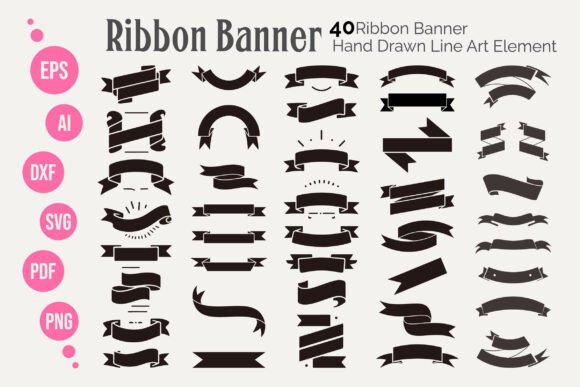
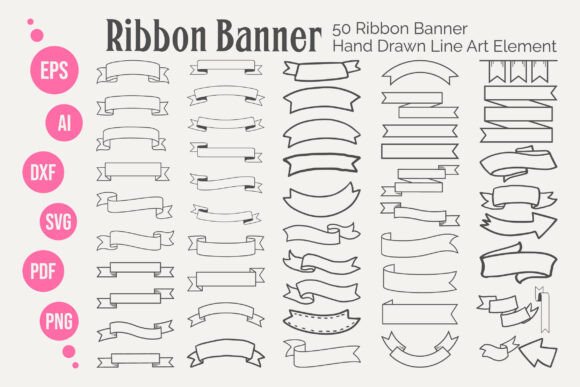
As a designer who has spent years stitching custom apparel and refining digital assets for small businesses, I have learned to look past the pretty preview images. When I first opened the Ribbon Banner Label Decorative Vector, my immediate reaction was one of quiet appreciation. It doesn't scream for attention with neon colors or chaotic layouts; instead, it whispers of timeless elegance. This collection of vintage ribbon banners, labels, and decorative vector elements feels like something you would find in an old family recipe book or a high-end boutique's packaging. But does that aesthetic translate well when converted into a physical machine embroidery design? That is the question every serious embroiderer asks before buying.
The mood this set creates is warm, nostalgic, and incredibly inviting. The shapes are fluid, mimicking the natural drape of fabric ribbons tied in bows or draped across corners. For an embroidery project, this translates to a design that feels soft rather than rigid. Unlike geometric logos that can look stiff on a stitched surface, the Ribbon Banner Label Decorative Vector brings a sense of movement to the thread work. It suggests a project that is personal, handcrafted, and thoughtful. If you are looking for a design asset that elevates a simple tote bag into a piece of art, this is exactly the kind of visual personality you need.
From Screen to Stitch: A Real Project Scenario
To understand the true value of these graphics, imagine you are preparing for a busy holiday season. You run a small Etsy shop specializing in personalized baby gifts. You want to create a limited edition line of embroidered bibs and muslin blankets featuring a "Little Dreamer" theme. You need a label that says "Handmade with Love" but wants it to look more sophisticated than a standard stamped font.
This is where the Ribbon Banner Label Decorative Vector becomes a game-changer. Instead of forcing a blocky text box onto a soft cotton blanket, you use the vector to create a flowing banner that frames the text. The result is a finished product that looks like it came from a luxury department store. Customers scrolling through your listings will stop because the mockups show a design that feels tactile and premium. The banner acts as a frame, drawing the eye directly to the personalized name inside. It adds a layer of perceived value that justifies a higher price point for your handmade goods.
I tested a similar concept on a sweatshirt embroidery project recently. Placing a vintage-style ribbon label across the chest of a heather grey hoodie gave it a retro, collegiate feel without looking dated. The curves of the ribbon softened the heavy texture of the fleece, making the garment look more approachable. It is the difference between a generic promotional item and a boutique product that customers actually want to keep.
Where This Design Shines in Embroidery Projects
The versatility of the Ribbon Banner Label Decorative Vector makes it suitable for a wide range of applications. Whether you are creating custom apparel, aprons, or kitchen towels, the design adapts well to different contexts. Here is how it performs in specific scenarios:
- Tote Bag Designs: A large ribbon banner works beautifully on canvas totes. It provides a perfect backdrop for business names or slogans, turning a plain bag into a marketing tool that looks professional.
- Baby Embroidery: The soft, rounded edges of the vector fit perfectly on delicate fabrics like muslin or bamboo. It avoids the harsh lines that can sometimes make baby clothes look too industrial.
- Holiday Embroidery: Seasonal projects benefit greatly from the festive nature of ribbon motifs. Think of them as frames for Christmas stockings or Valentine's Day cards made of felt.
- Commercial Embroidery: For boutique branding, consistency is key. Using this set ensures that all your patches, labels, and tags share a cohesive visual language, which builds trust with buyers.
- Personalized Gifts: The label aspect allows for easy customization. You can swap out the text while keeping the elegant ribbon structure, making it ideal for monogrammed pillows or wedding favors.
When used correctly, these graphics enhance the visual appeal of the finished product. They signal to the customer that care was taken in the design process. In the world of craft business, that attention to detail is often what separates a hobbyist from a professional.
Critical Considerations for Stitching
While the vector looks stunning on screen, translating it into a machine embroidery file requires careful planning. There are specific situations where you must exercise caution to ensure the final result matches the digital preview.
Hoop Size and Detail Density: If you attempt to stitch this design in a very small hoop, such as those used for cuff embroidery or tiny patches, the intricate details of the ribbon folds might get lost. The satin stitch density required to define the edges could overwhelm the fabric if the area is too small. Always check the stitch count relative to your hoop size before committing to a production run.
Fabric Texture and Stability: The success of any embroidery project relies heavily on the stabilizer used. Because ribbon banners often feature curved lines and varying widths, they require a stable base. On stretchy fabrics like jersey t-shirts or thin materials like silk, the tension of the thread can distort the shape of the banner, causing it to pucker or twist. A cut-away stabilizer is usually essential here to maintain the integrity of the design over time.
Thread Color Contrast: Vintage aesthetics rely on subtle shading and definition. If you choose thread colors that blend too closely with the background fabric, the three-dimensional effect of the ribbon will vanish. You need enough contrast to make the folds pop, but not so much that it looks jarring. Testing your thread palette on scrap fabric is non-negotiable.
Curved Surfaces: Embroidering a flat ribbon design onto a curved surface, like a cap or a hat, presents unique challenges. The banner might appear stretched or compressed depending on the curvature. It is best to test the design on the actual garment type before selling it as a commercial product.
Practical Designer Notes for Success
Before you import the Ribbon Banner Label Decorative Vector into your digitizing software or send it to the machine, there are a few steps to take to guarantee a professional outcome. First, always review the stitch density. High-density fill stitches can make a design feel stiff and cardboard-like, defeating the purpose of a "ribbon" that should look soft and pliable.
Second, inspect the small details. Are the corners sharp enough? Is the lettering legible at the intended size? Sometimes, vector paths need slight adjustments before being converted to stitches to prevent needle breaks or thread bunching. Third, confirm whether the design includes both satin stitch and running stitch options. A combination of these stitches often yields the most realistic result, with satin providing the bold outline and running stitch adding delicate texture.
Finally, do not forget the licensing terms. If you plan to sell finished items featuring this design, or if you intend to resell the digital embroidery file itself, you must verify the commercial rights. Many designers assume that because a graphic is labeled as a "vector," it is free for commercial use, but this is rarely the case. Check the specific license agreement to avoid legal issues down the road.
In conclusion, the Ribbon Banner Label Decorative Vector is a strong candidate for anyone looking to add a touch of vintage charm to their embroidery portfolio. It offers a balance of elegance and practicality that fits seamlessly into modern handmade products. By respecting the technical limitations of the medium and testing thoroughly, you can transform these digital illustrations into tangible treasures that customers will cherish.