Ornamental Decorative Divider Set Review
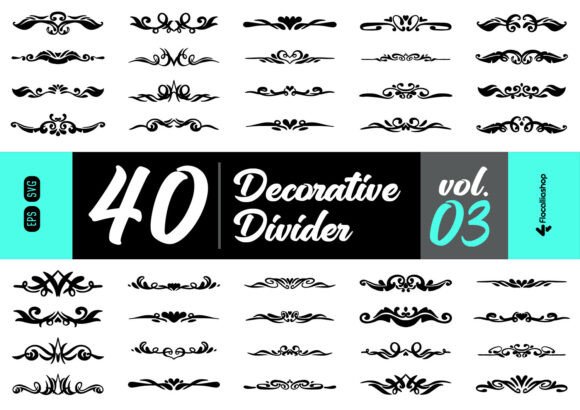
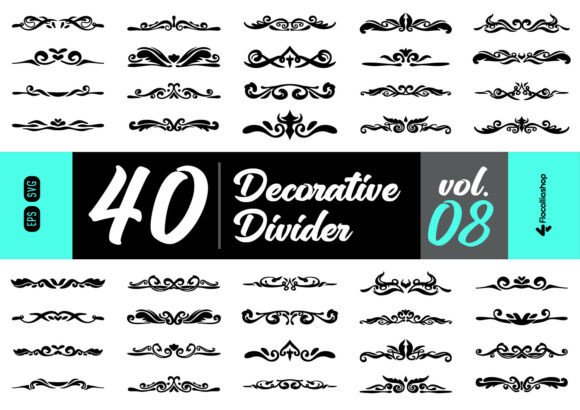
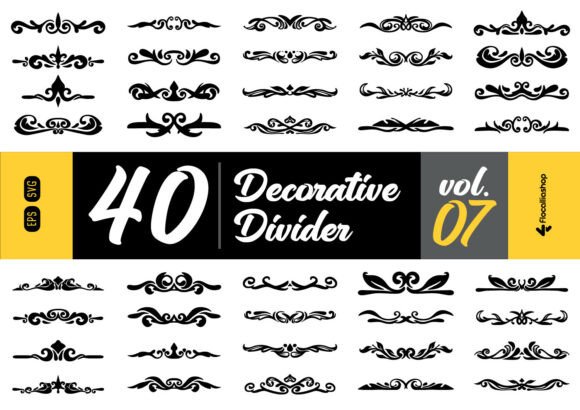
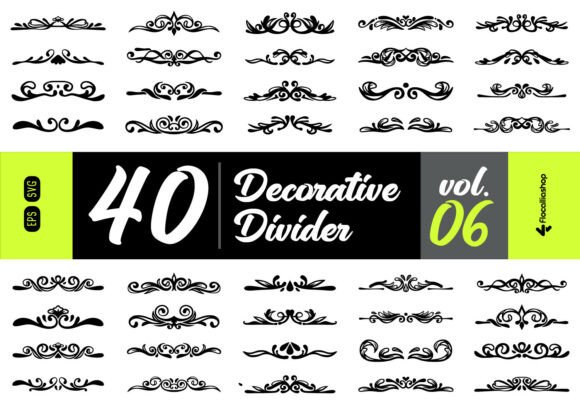
I have spent years stitching, designing, and reviewing digital assets for everything from high-end boutique branding to quick custom gifts. When I first opened the Ornamental Decorative Divider Set, I wasn't looking for a main character design; I was looking for that specific element that ties a project together without stealing the show. This collection of 40 decorative dividers is exactly the kind of "supporting actor" that elevates a handmade product from amateur to artisan.
The mood these files create is immediately refined. They aren't just simple lines; they carry a vintage flourish that suggests heritage and care. For an embroidery designer, this visual personality is crucial because it dictates where the design belongs. It naturally fits into projects that require a touch of elegance, such as wedding favors, nursery decor, or sophisticated kitchen linens. The Illustrations within this set are clearly crafted with the intent to frame text or separate sections, making them ideal for embroidery projects that involve monograms or quotes.
Real-World Application: The Custom Tote Bag Scenario
To truly understand the value of the Ornamental Decorative Divider Set, imagine a real-life scenario. You are preparing a custom embroidered tote bag for a local boutique client. The brief is simple: a clean, minimalist design featuring the shop's name in a classic serif font. Without any embellishment, the typography feels a bit stark and lonely on the canvas.
This is where the dividers shine. By placing one of these ornamental elements above and below the shop name, the entire composition instantly gains balance and weight. The vintage details catch the light differently than the straight lines of the lettering, adding texture and depth. If you were using this as a tote bag design for an Etsy seller, the difference between a plain text file and one framed by these flourishes could be the deciding factor in whether a customer clicks "add to cart."
I tested a similar concept on a heavy cotton canvas for a holiday gift project. The divider acted as a natural border, guiding the eye directly to the personalized message. It felt intentional, not tacked on. The result was a finished product that looked expensive and professionally designed, even though the core asset was a simple line element. This ability to increase perceived value is what makes the Ornamental Decorative Divider Set a smart investment for small business owners.
Performance Across Different Textiles and Garments
When evaluating an embroidery file, we must look beyond the screen and consider how the stitches will behave on actual fabric. These dividers rely heavily on satin stitch and running stitch techniques to achieve their delicate look. On stable fabrics like denim, twill, or tightly woven cotton, the performance is excellent. The lines remain crisp, and the vintage curves hold their shape beautifully.
For sweatshirt embroidery, the dividers work well as accents on the pocket area or across the chest above a logo. However, if you are working with stretchy jersey knits, caution is required. While the design itself isn't overly dense, the tension of the machine can sometimes distort fine lines on unstable materials. Always test on scrap fabric first to ensure the stitch density doesn't cause puckering.
I also considered using these for baby embroidery on soft muslin or flannel. The gentle, flowing nature of the dividers is perfect for baby items, creating a soft aesthetic that parents love. However, on thin fabrics, the stabilizer choice becomes critical. You need a cut-away stabilizer to support the weight of the thread and prevent the fabric from warping during the washing process later.
Where Caution Is Required
No design is universally perfect, and knowing where to avoid using the Ornamental Decorative Divider Set is just as important as knowing where to use it. These dividers contain intricate corners and fine details that demand respect from the digitizer and the embroiderer.
- Small Hoop Sizes: If you are trying to fit these dividers into a very small hoop, such as those used for hat patches or jewelry tags, the details may become lost. The tiny flourishes might merge into solid blobs of thread, losing the elegant effect intended by the designer.
- Textured Fabrics: On heavy boucle, sherpa, or rough burlap, the definition of the divider lines will suffer. The uneven surface prevents the needle from laying down consistent stitches, resulting in a muddy appearance.
- Dense Stitch Areas: Avoid placing these dividers too close to other dense fill stitches. The contrast between the open lines of the divider and a solid block of thread needs breathing room. If they are too crowded, the design loses its clarity.
- Curved Surfaces: While caps and hats are popular for commercial embroidery, applying long horizontal dividers on a curved brim can be tricky. The perspective distortion might make the lines look uneven unless the design is specifically digitized for that curve.
Making the Final Decision on Product Value
Ultimately, the decision to use these graphics comes down to the impact on the finished product. In the world of handmade goods, customers buy the story and the quality. A well-executed divider adds a layer of professionalism that builds customer trust. It signals that the maker paid attention to the details, which often translates to higher prices and repeat business.
For digital product sellers creating printable mockups, these dividers are invaluable assets. They allow you to visualize how a final embroidered item will look before a single stitch is made. When listing small shop products online, having a mockup that features these elegant frames can significantly boost engagement and recognition.
However, remember that these are graphics meant to be stitched. They are not standalone logos but rather enhancements. To get the best results, you must pay attention to thread colors. High contrast is key. A black divider on white fabric looks sharp, but a dark gray on navy might disappear. Test your color combinations against the background fabric to ensure the design remains visible.
Practical Designer Notes for Implementation
If you are ready to incorporate the Ornamental Decorative Divider Set into your workflow, here are a few non-negotiable steps to ensure success:
- Stabilizer Selection: Never skip the stabilizer. For these delicate lines, a medium-weight tear-away or cut-away is usually necessary to maintain the integrity of the stitches.
- Thread Contrast: Check your thread colors against the fabric. Light threads on dark fabric (or vice versa) provide the best visibility for fine line work.
- Hoop Size Verification: Confirm that your machine's hoop size accommodates the full width of the divider without cutting off the outer flourishes.
- Licensing Check: Before selling finished items or using these designs in commercial embroidery projects, review the license terms. Ensure you have the right to sell products created with these assets.
- Mockup Testing: Use black and white mockups to check the layout and spacing before committing to expensive thread and fabric.
The Ornamental Decorative Divider Set is a versatile tool in any designer's arsenal. Whether you are crafting a personalized gift for a friend or building a brand identity for a new boutique, these dividers offer a level of polish that is hard to achieve with basic fonts alone. They remind us that sometimes the most impactful part of a design is the space between the words, and these files handle that space with grace and style.
By understanding the strengths and limitations of these design assets, you can confidently integrate them into your next project. From kitchen towels to holiday gifts, the potential applications are vast. Just remember to test, plan, and execute with care, and you will find that this set delivers exactly what it promises: a refined vintage flourish that enhances every creative endeavor.