Letter to Santa Clipart, Christmas Frame Review
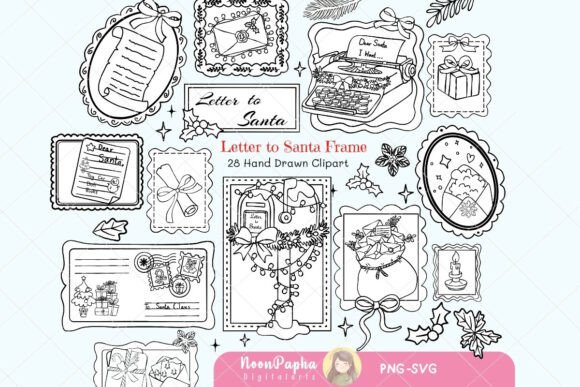
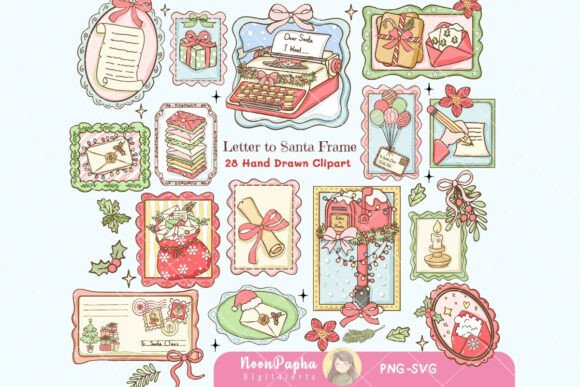
As a designer who has spent years turning digital files into tangible stitched products, I approach every new asset with a mix of excitement and skepticism. When Letter to Santa Clipart, Christmas Frame landed on my desk, I didn't just see a collection of graphics; I saw potential for holiday merchandise that could either elevate a small business or clutter a shop with low-quality items. This set features 28 hand-drawn Christmas frames and holiday elements, which immediately suggests versatility. But does it translate well from screen to fabric? In this review, I am putting these design assets through the rigorous test of real-world embroidery production.
The First Impression: Mood and Visual Personality
The moment you open the folder containing Letter to Santa Clipart, Christmas Frame, the mood shifts. These aren't stiff, vector-perfect shapes that look like they were generated by an algorithm. The hand-drawn quality gives them a warmth that is essential for holiday projects. There is a charming imperfection in the lines that mimics the texture of paper cutouts or vintage stationery. For an embroidery project, this is crucial because machine stitching tends to smooth out sharp edges; a design that already possesses a soft, organic feel will stitch up beautifully without looking overly rigid.
The layout of the frames varies significantly within the set. Some are simple borders, while others include integrated text areas specifically designed for writing a letter to Santa. This duality makes the design incredibly functional. It isn't just a decorative border; it is a complete composition. When I first visualized this as a machine embroidery design, I immediately thought of nursery decor and personalized gifts. The visual personality here is cozy, nostalgic, and inviting, which aligns perfectly with the emotional value parents and crafters place on handmade holiday items.
A Real-World Scenario: The Custom Holiday Tote
To truly evaluate the utility of Letter to Santa Clipart, Christmas Frame, I need to walk through a specific use case. Imagine you are preparing inventory for the upcoming holiday season. You have a client who wants custom embroidered tote bags for their boutique's "Ugly Sweater Party." They want something unique that customers can take home as a party favor.
I took a selection of the frames from the set and digitized them for a medium-sized hoop. The goal was to create a festive border around a central space where the event details would be stitched. The result was striking. The hand-drawn nature of the graphics allowed for excellent satin stitch definition along the outer edges, creating a raised, tactile border that feels premium to the touch. Because the original illustration had varied line weights, the resulting embroidery had depth, preventing the design from looking flat against the canvas of the tote bag.
If I had used a generic, blocky clip art, the final product would have looked mass-produced. Instead, using this specific set gave the tote bag a bespoke, artisanal quality. Customers at the event loved it because it felt personal. This scenario highlights why choosing the right design assets matters. A strong frame design like this doesn't just decorate a product; it elevates the perceived value of the entire item, allowing you to charge a higher price point for your handmade product.
Performance Across Different Fabric Types
The true test of any embroidery file is how it behaves on different materials. While the Letter to Santa Clipart, Christmas Frame set shines on stable fabrics, there are nuances to consider. On cotton tea towels or pillow covers, the design performs flawlessly. The dense fill stitches hold their shape, and the running stitch details add a lovely texture that complements the weave of the fabric.
However, when moving to more challenging surfaces, caution is required. If you plan to use this for sweatshirt embroidery or on stretchy jersey fabrics, you must be strategic about stabilization. The intricate corners of the hand-drawn frames can sometimes pull if the fabric isn't held taut enough during stitching. I recommend using a heavy-duty tear-away stabilizer for these projects to ensure the frame remains crisp and doesn't distort after washing.
For embroidered patches, the detail level is impressive, but only if the patch base is sturdy. Thin fabrics might cause the detailed corners of the frame to fray over time. Similarly, on dark fabrics, thread color contrast becomes critical. The design works best when paired with high-contrast threads, such as white or gold satin stitches against a deep red or navy background. Always test the thread colors on scrap fabric first to ensure the hand-drawn lines remain visible and don't get lost in the weave.
Where to Exercise Caution
While this set is versatile, it is not a one-size-fits-all solution. There are specific scenarios where Letter to Santa Clipart, Christmas Frame might struggle:
- Small Hoop Sizes: Attempting to stitch the larger, more detailed frames in a 4x4 inch hoop can lead to overcrowding. The fine lines may merge, losing the hand-drawn charm.
- Curved Surfaces: Applying this design to caps or hats requires careful digitizing adjustments. The straight lines of the frame can look distorted if not adapted for the curvature of the hat panel.
- Tiny Lettering: If the design includes small text for the "Letter to Santa" section, avoid placing it on very small items like baby bonnets. The text may become illegible once stitched.
- Frequent Washing: For items like kitchen towels that undergo heavy laundering, ensure the stitch density is sufficient. Loose stitches on detailed corners can snag and unravel quickly.
Impact on Brand Consistency and Customer Trust
For Etsy sellers and small shop owners, the visual consistency of your brand is everything. Using a cohesive set like this ensures that your holiday collection looks professional and curated. When a customer sees a matching frame on a card, a tote, and a pillow cover, it signals attention to detail and reliability.
This set supports commercial embroidery projects by providing a library of consistent styles. You can mix and match the 28 frames to create variations without sacrificing the overall aesthetic. This flexibility allows you to offer personalized gifts where each item feels unique yet part of a unified collection. The high quality of the source illustrations translates directly to customer trust; people are willing to pay more for items that clearly demonstrate craftsmanship.
Practical Designer Notes for Implementation
Before you commit to a full production run, follow these steps to ensure success with Letter to Santa Clipart, Christmas Frame:
- Test on Scrap Fabric: Always run a test stitch on the same material you intend to use for the final product. Check for puckering and thread breakage.
- Review Stitch Density: Inspect the digitization of the design. Dense areas should not be so thick that the needle cannot penetrate, especially on textured fabrics.
- Confirm Hoop Size: Ensure your hoop size accommodates the largest frame in the set without cutting off important details.
- Check Licensing: Verify whether the license allows for commercial use on finished goods. Many digital embroidery files have restrictions on how many items you can sell.
- Use Proper Stabilizer: Match the stabilizer weight to the fabric. Heavy fabrics need heavy stabilizers to support the fill stitch density of the frames.
- Mockup in Black and White: Convert the design to grayscale to check contrast levels before selecting your thread palette.
In conclusion, Letter to Santa Clipart, Christmas Frame is a robust addition to any designer's toolkit. Its hand-drawn aesthetic offers a warmth that is often missing in standard clip art, making it ideal for holiday embroidery projects ranging from apparel decorators to craft business owners. By understanding its strengths and limitations regarding fabric types and hoop sizes, you can leverage this set to create stunning, high-value products that stand out in a crowded market.