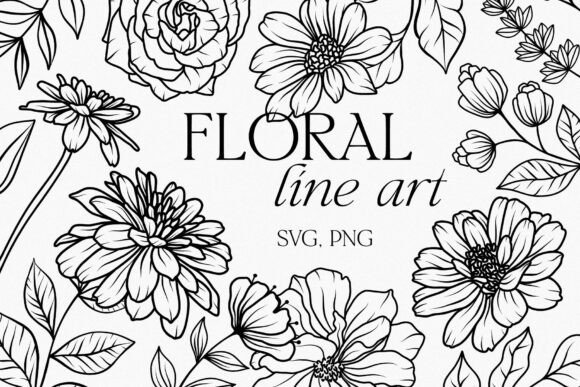
Botanical Floral Line Art Clipart Flower Review
As someone who has spent years turning digital pixels into tangible threads, I know that the difference between a good embroidery project and a great one often comes down to the source file. When I first encountered Botanical Floral Line Art Clipart Flower, I wasn't just looking at an image; I was visualizing how those delicate lines would translate onto fabric. This isn't a basic product description or a list of features. It is a practical evaluation from my studio to yours, focusing on how this specific design asset performs in real-world scenarios for crafters, small business owners, and Etsy sellers.
The First Impression: Mood and Visual Personality
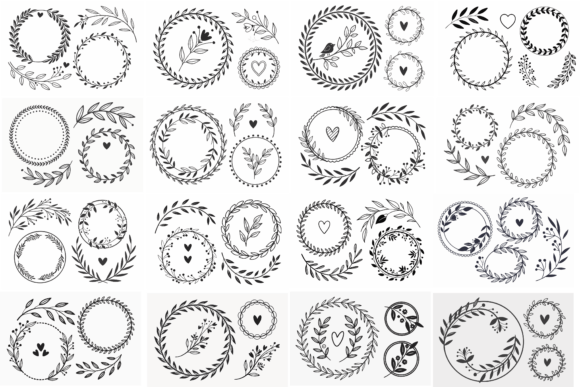
The moment you open Botanical Floral Line Art Clipart Flower, the mood is immediately established. It is understated, elegant, and incredibly versatile. Unlike heavy, dense vector illustrations that can look muddy when stitched, this line art collection breathes with simplicity. The black and white color scheme is a designer's dream because it offers maximum flexibility. Whether you are aiming for a rustic farmhouse aesthetic or a modern boutique feel, the clean strokes provide a perfect foundation without overwhelming the final piece.
The layout feels intentional. The flowers aren't just scattered randomly; they possess a natural flow that suggests movement. For an embroidery designer, this is crucial. It means the design will likely digitize well, maintaining its graceful curves whether you are stitching a single bloom or a sprawling vine across a garment. It creates a sense of calm sophistication that customers associate with high-quality handmade goods.
Real-World Application: From Screen to Stitch
I recently put Botanical Floral Line Art Clipart Flower to the test with a custom order for a client who wanted a personalized gift for her daughter's wedding. She requested a set of embroidered kitchen towels featuring floral motifs. While many clipart designs struggle with the transition from screen to satin stitch, this graphic held up remarkably well. The thin lines translated beautifully into running stitches and fine satin work, creating a crisp outline that looked professional rather than amateurish.
Imagine applying this same logic to other projects. If you are an Etsy seller creating tote bag designs, this pattern adds a touch of class without costing a fortune in thread. The simplicity allows the texture of the canvas to show through, making the embroidery feel integrated rather than pasted on. Similarly, for sweatshirt embroidery or baby clothes, the lack of excessive detail prevents the fabric from becoming stiff. A soft, lightweight floral motif is essential for garments that need to drape comfortably against the skin.
This design also shines in commercial settings. Think about branding for a small shop owner. You could use these graphics as embroidery patches for aprons worn by baristas or staff uniforms. The line art style ensures that even when reproduced on smaller items like caps or hats, the details remain legible. It elevates the perceived value of the finished product, signaling to the buyer that care was taken in the creation process.
Where to Exercise Caution
However, every designer knows that no single file works for every situation. There are specific constraints where Botanical Floral Line Art Clipart Flower requires careful consideration. If you are working with extremely small hoop sizes, the delicate nature of the lines might get lost if the digitization isn't precise. Tiny corners of the petals can sometimes blur if the stitch density is too high or if the thread tension is off.
Texture is another factor. On highly textured fabrics like thick fleece or bouclé, the smooth lines of this graphic might not sit flat. Thin fabrics, such as sheer cotton or linen, present a challenge where the stabilizer choice becomes critical to prevent puckering. Furthermore, while the black and white theme is flexible, using this design on dark fabrics requires a contrasting thread color that stands out sharply. Without proper contrast, the elegance of the line art can be swallowed by the background material.
Curved surfaces like baseball caps also demand attention. The design needs to be adjusted to follow the curvature of the hat, or the perspective will look distorted. Finally, if your project involves frequent washing, ensure that the stitch density is appropriate. Too much fill in a small area can lead to fabric distortion over time, ruining the clean look of the original illustration.
Impact on Brand and Customer Trust
In the world of handmade products, visual consistency builds trust. Using a cohesive set of graphics like Botanical Floral Line Art Clipart Flower helps establish a recognizable brand identity. When customers see a consistent style across your pillow covers, holiday gifts, and personalized products, they perceive your shop as professional and reliable.
The clarity of the design directly affects customer engagement. A sharp, well-executed embroidery job invites compliments and repeat purchases. Conversely, a design that looks fuzzy or misaligned can damage your reputation. This particular graphic supports a narrative of quality and attention to detail. It appeals to buyers who appreciate minimalism and craftsmanship, allowing them to focus on the beauty of the needlework rather than being distracted by cluttered visuals.
Practical Designer Notes for Success
Before you commit to a full production run, there are essential steps to take. Always test the design on scrap fabric first. This simple act can save you hours of frustration and wasted materials. Check your thread color contrast carefully; what looks good on a monitor may not pop on fabric. Review the stitch density to ensure the lines don't bunch up, especially if you are using a standard home machine versus an industrial setup.
Confirm your hoop size early in the process. If the design is too large for your intended hoop, you will need to split the file or resize it appropriately. Inspect small details closely, particularly the tips of leaves and flower centers, to ensure they are defined enough to be seen after stitching. Testing the design in black and white mockups can also help you visualize how it will appear on different colored backgrounds before you ever cut the thread.
Don't forget to use the proper stabilizer. For delicate line art, a tear-away or cut-away stabilizer provides the necessary support to keep the stitches crisp. If you plan to sell finished items or digital products, confirm the licensing terms explicitly. Ensure you have the right permissions for commercial use, especially if you are incorporating this into a larger collection of design assets.
Final Thoughts on Practical Value
Botanical Floral Line Art Clipart Flower is more than just a pretty picture; it is a functional tool for the serious maker. Its strength lies in its adaptability. It fits seamlessly into custom apparel, digital embroidery files, and craft business merchandise alike. By understanding its strengths and limitations, you can leverage this graphic to create stunning finished products that stand out in a crowded market.
Whether you are creating a unique embroidery project for a loved one or scaling up production for your small shop product line, this design offers a solid starting point. It respects the medium of embroidery by prioritizing clarity and form, ensuring that your hard work translates exactly as you envisioned. For any creative entrepreneur looking to add a touch of botanical elegance to their portfolio, this is a resource worth integrating into your workflow.